Built on a real site, not a whiteboard.
CrewIQ was built for a Queensland concreting company that grew from a handful of blokes to more than forty, and felt every people problem on the way up.
The workforce became the biggest risk in the business.
Whole family groups would walk at once to start their own slab work. No-shows, ghosting, chronic lateness. The business was held hostage by whoever turned up that morning.
Hiring was reactive. There was no filter between serious candidates and time-wasters, no behavioural read on how someone would perform under pressure, and no way to predict fit before they were on site.
Leaders who had worked together for a decade had never mapped their own styles, let alone the crew’s. Clashes happened, a fast-moving pace grating against a methodical worker, and nobody could say why.
And the knowledge of how to manage each person, and who worked well together, lived only in the owners’ heads. If they were unavailable, judgement stalled.
The cost of getting it wrong is real. A bad hire can run past $100,000. A job that falls over can cost around $60,000 in lost revenue. Growth was throttled by systems that only worked when specific people were present.
The mandate: make hiring, team-building and people-management resilient, regardless of who is available on the day.
The dollar figures above are the cost of the problem, not a client result. We publish named client outcomes only once they are verified and signed off.
A method born on a real site, not a manual on a shelf.
Plenty of hiring advice sounds good in a boardroom and falls over on a job site. Ours didn’t come from a boardroom.
The CrewIQ methodology was pressure-tested on a live concreting business as it scaled, through real no-shows, real crews walking, real clashes on the slab. What worked got kept. What didn’t got cut.
Then we baked it into the software. So it isn’t a binder your foremen will never open. It’s the way the blueprints, the scoring and the guidance already work, every day, whether the owner is on site or not.
Why we keep an expert in the loop.
DISC profiling and behavioural interviews are expert work. The software surfaces and ranks the data. A human, Chris Hogan, a certified practitioner, reads the person and makes the people call with you.
One profiling engagement pays off twice. First, you understand the team you already have and improve how they work together. Second, those same profiles become the raw material for role blueprints, so you recruit more people who fit as the company grows.
There is no hard minimum. A single person can start. For larger teams we suggest around fifteen people, because that is where reliable patterns across a crew begin to show.
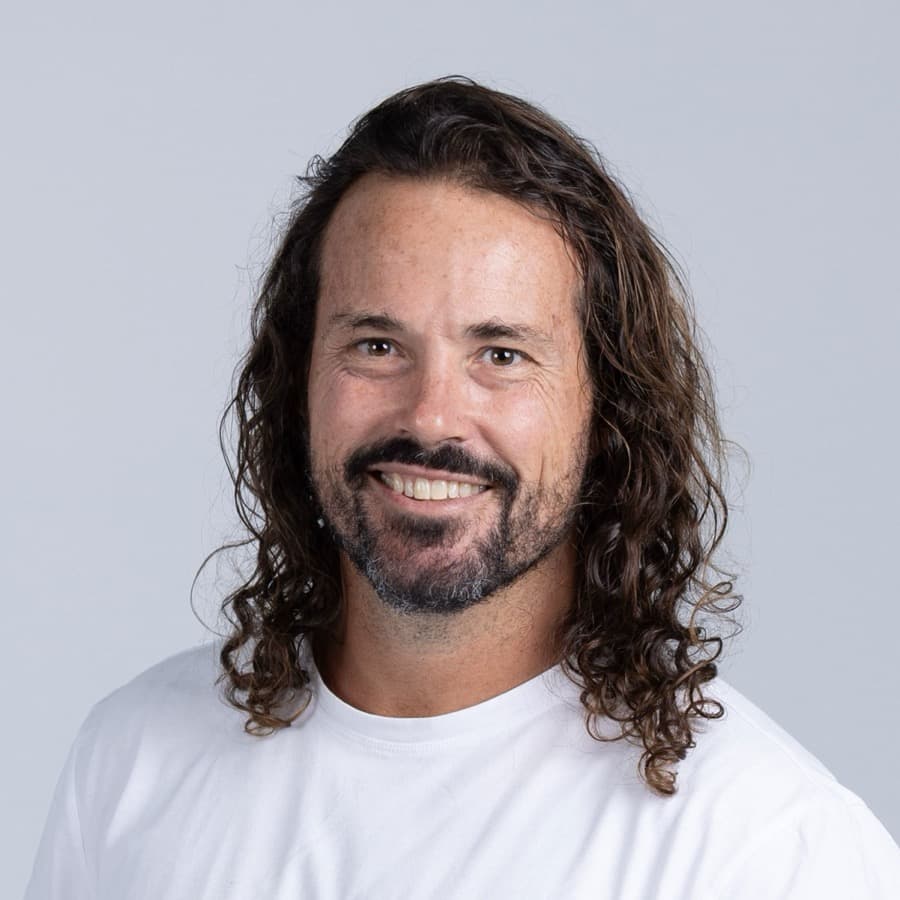
Chris Hogan
Founder. Author of Building Brands on Purpose (Rethink Press, 2021). Certified DISC practitioner.
Why I built this
I wrote a book called Building Brands on Purpose. The argument in it is simple. Organisations that know what they stand for build better cultures, and better cultures attract better customers. Out of that came a method for working out a business’s values and purpose, and running culture as strategy rather than as a poster in the lunchroom.
I spent years proving it with marketing clients. Culture is a lever for marketing and marketing is a lever for culture. Pull either one properly and the brand gets stronger.
Construction is where it got real. Working with builders and civil contractors, I helped bring mental health education onto sites through organisations like Mates in Construction and Livin. That work lifts two things at once: what the company stands for, and how the crew are actually travelling.
It led somewhere I did not expect. The same businesses that came to me for marketing needed more help with recruitment and culture. So I got qualified in DISC, became a facilitator, and started profiling crews.
Then I built the software, because a read on your people is worth nothing if it sits in a PDF nobody opens twice.
CrewIQ is that method married to the best recruitment and DISC practice I could find, put somewhere a foreman can actually use it. Software on its own will not fix a culture. Neither will a workshop everyone has forgotten by Friday. Service with software is the answer, and so is being able to report on whether any of it worked.
Know your own profile before you direct anyone else's.
“Know thyself.”
The most valuable profile in the business is usually the owner’s. Not because of capability, a leader is capable of most things, but because of energy. A profile shows the kind of work that comes naturally and the kind that costs you effort to deliver.
A leader who knows this can direct their energy where it counts and build a team that covers the rest. It is also the natural place to start: profile yourself first, feel the value, then roll it across the team.
Sound like your business?
If you are already feeling the recruitment and culture problem, we're happy to walk you through how CrewIQ was built to fix it.
One simple enquiry: your name, your business, an email, and a line on where the crew is hurting. No booking machinery, no pressure.